


Introduction
"Bermuda has always been a luxury destination, but is it worth calling home?"
That’s the million-pound question for many British professionals, international families, and remote workers considering relocating to this North Atlantic paradise. With stunning pink-sand beaches, a stable economy, and year-round sunshine, Bermuda has massive appeal. But what is the real cost of living there?
In this article, we explore whether living in Bermuda is worth the price tag in 2025. We analyse the cost of housing, groceries, healthcare, schooling, and much more. Whether you are an investor, digital nomad, or expat parent, you will gain a full picture to help you make the smartest move possible.
Cost of Living in Bermuda – An Overview
Bermuda consistently ranks as one of the most expensive places to live in the world. In 2025, the cost of living remains high due to its reliance on imports, limited land for development, and a high standard of living.
Several economic factors drive expenses, including inflation, global shipping rates, and Bermuda’s strong currency (the Bermudian dollar, pegged 1:1 to the US dollar). Compared to expat hubs such as the Cayman Islands, London, or New York, Bermuda often surpasses them in housing and grocery costs.
Everyday essentials such as food, household items, and personal care products can cost significantly more due to import duties and logistical constraints. However, the high cost often translates into a high quality of life, a clean environment, and a secure, stable economy.
Housing and Real Estate Market in Bermuda
Housing is one of the largest expenses for expats living in Bermuda. Rental prices vary by location, property type, and amenities. Apartments and modest homes can cost between $2,500 and $5,000 per month, while luxury villas in desirable areas may range from $8,000 to $25,000 monthly.
Expats must be aware of strict property ownership laws. Non-Bermudians can only purchase specific properties designated for foreign ownership, often with a minimum Annual Rental Value (ARV). Government licenses and land-holding charges may apply.
Hamilton remains the hub of activity and convenience, but areas like Southampton and St. George’s offer more space and quieter surroundings. Property taxes, maintenance, and insurance also add to the overall cost of homeownership or tenancy.

Utilities, Internet, and Transportation Costs
Utilities such as electricity and water are costly. Electricity rates in Bermuda are higher than the global average, largely due to the island's reliance on imported fuel. A typical monthly utility bill for a family may exceed $400, while water is collected via rainwater catchment systems and stored in tanks, requiring regular maintenance.
Internet and mobile plans are reliable but expensive. High-speed internet may cost $150 or more per month. Mobile plans vary depending on usage, with limited competition among providers contributing to the premium pricing.
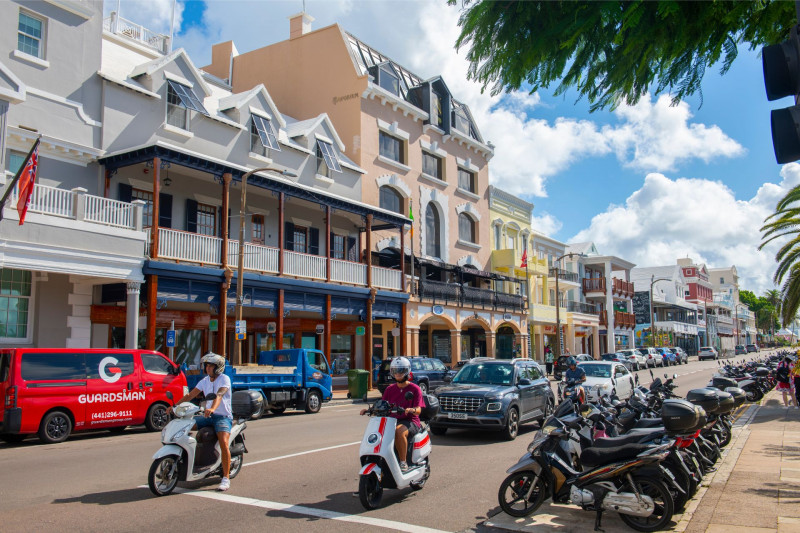
Transportation costs depend on your preferences. Public buses and ferries are affordable but limited in coverage and frequency. Owning a car or moped involves steep import duties, annual licensing fees, and high fuel prices. Many expats find that owning a compact car is practical despite the added cost.
Groceries, Dining, and Everyday Expenses
Grocery shopping in Bermuda is expensive. A weekly grocery bill for a family of four can exceed $300, especially if favouring imported goods. Local produce and seafood can reduce costs slightly, but selection and availability vary seasonally.
Dining out also carries a premium. Casual restaurants charge around $20 to $40 per person, while fine dining can easily reach $100 per person. Although high-end restaurants dominate, budget-friendly options like food trucks and takeaways are increasingly popular.
Everyday items, including toiletries and cleaning supplies, are often double the price compared to mainland prices, reinforcing the need for careful budgeting.
Healthcare and Insurance in Bermuda
Healthcare in Bermuda is of a high standard but comes at a price. All residents, including expats, must carry health insurance. Plans vary, but average monthly premiums for a family can range from $1,200 to $2,000.
Private healthcare dominates, with limited public facilities. Bermuda boasts well-equipped hospitals, specialists, and emergency services, though some procedures may require travel overseas.
Several international insurers offer expat-focused plans. Employers often provide comprehensive cover, but independent workers must secure their own policies. Costs, coverage limits, and exclusions should be reviewed carefully.
Education and Schooling for Expat Families
Families relocating to Bermuda will find a variety of private and international schools. Notable institutions include Saltus Grammar School and Bermuda High School, which follow British and American curriculums.
Tuition fees range from $15,000 to $25,000 annually, depending on the school and grade level. Additional costs may include uniforms, extracurricular activities, transport, and meals.
Early childhood education and preschool are available but limited in capacity. Childcare costs start around $1,200 monthly. Despite the expense, the quality of education and individual attention make these institutions a worthwhile investment for many expat families.
Lifestyle, Recreation, and Quality of Life
Living in Bermuda offers a wealth of lifestyle benefits. The island’s natural beauty and climate make outdoor recreation accessible year-round. Golf, boating, scuba diving, and tennis are popular pastimes, though equipment rental and club fees can add up.
Gym memberships average $100 to $150 per month. Entertainment options include local festivals, art exhibitions, and theatre performances. The social scene is vibrant yet laid-back, with events catering to singles, couples, and families alike.
The island lifestyle promotes work-life balance. Many expats appreciate the slower pace, community feel, and safety, which contribute to a strong sense of well-being.
Is It Worth It? Pros and Cons of Living in Bermuda
Relocating to Bermuda in 2025 is a significant financial commitment, but for many, the benefits outweigh the costs. High earners, investors, and remote workers are particularly well-suited to island life, enjoying tax efficiency, privacy, and a high quality of life.
However, it’s essential to consider hidden costs, including high insurance premiums, import taxes, and limited shopping or entertainment options. A clear understanding of your financial situation and lifestyle preferences will help determine if Bermuda is the right fit.
First-hand testimonials from 2025 expats cite unmatched beauty, professional opportunity, and peace of mind as top reasons for staying long-term.
Tips to Make Living in Bermuda More Affordable
There are several ways to reduce living expenses in Bermuda. Consider shared rentals or negotiating off-peak leases to lower housing costs. Shopping at local markets and cooking at home helps manage grocery bills.
Joining expat communities can provide valuable tips, such as where to find discounts or affordable services. Seeking remote work or employment in Bermuda’s financial or hospitality sectors can help offset the high cost of living.
Being resourceful and adaptable makes a big difference when it comes to enjoying Bermuda without overspending.
Why Choose JBM Realty?
JBM Realty offers unmatched expertise in the Bermuda property market. With decades of combined experience, the team understands the nuances of local laws, international buyer requirements, and expat expectations.
Their proven track record speaks volumes, having successfully helped hundreds of families, investors, and professionals find the perfect home. JBM Realty offers personalised strategies tailored to each client’s goals, ensuring a smooth and efficient process.
Clients benefit from cutting-edge technology, including virtual tours, market data dashboards, and real-time updates. The team’s dedicated support ensures transparency, trust, and ease at every step.
Whether you're buying, renting, or simply exploring your options, JBM Realty is your partner in navigating the Bermuda real estate market with confidence.
Frequently Asked Questions
Is Bermuda expensive to live in?
Yes, Bermuda is considered one of the most expensive countries in the world. Costs are high due to import reliance, limited resources, and a premium lifestyle. However, many expats believe the quality of life justifies the expense.
Can foreigners buy property in Bermuda?
Yes, but with restrictions. Non-Bermudians can only purchase designated properties and must obtain a licence. The process involves specific criteria and fees, which JBM Realty can help navigate.
What is the average rent in Bermuda in 2025?
Rent varies widely. Apartments may start at $2,500 per month, while luxury homes can cost $8,000 or more. Prices depend on location, size, and amenities.
What jobs are available for expats in Bermuda?
Most opportunities for expats are in finance, insurance, tourism, and education. Remote work is increasingly common, with digital nomads enjoying flexible residency options.
Is healthcare free in Bermuda?
No, healthcare is not free. All residents must have health insurance, and private care is the norm. Costs can be significant, especially without employer-sponsored coverage.
Conclusion: Final Verdict – Is Living in Bermuda Worth the Cost in 2025?
Bermuda certainly isn’t cheap, but for many, it is worth every penny. With postcard-perfect views, political stability, and an exceptional quality of life, this island offers more than just paradise. It offers peace of mind, safety, and community.
Whether or not Bermuda is right for you depends on your goals, lifestyle, and financial flexibility. For investors and high-income expats, the advantages often outweigh the costs.
If you are ready to take the next step, contact JBM Realty today for expert guidance and premium service. Let us help you find your piece of paradise.


