


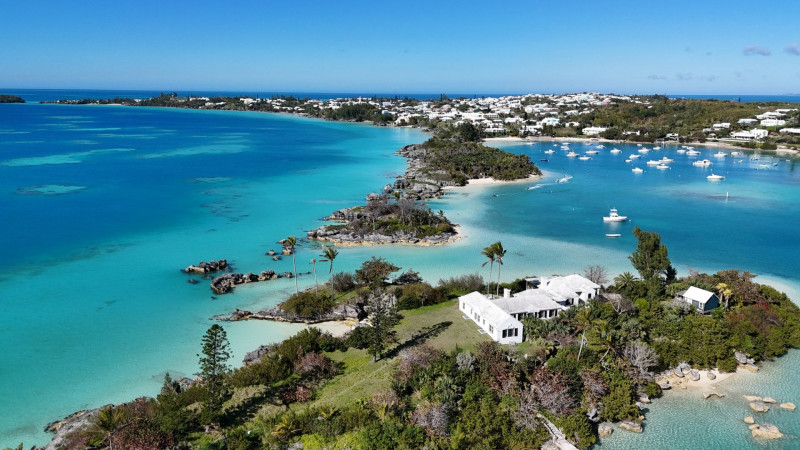
Is Bermuda Real Estate a Good Investment in 2025? What Investors Should Know
Is island property the next big thing in 2025? With its turquoise waters, tax-neutral status, and strong international appeal, Bermuda is fast becoming one of the most attractive offshore property markets for global investors. According to recent real estate data, luxury property values in Bermuda have remained remarkably stable, even as many other global property markets face downturns. This resilience, combined with limited supply and high buyer demand, has prompted growing interest from high-net-worth individuals seeking safe, long-term investment destinations.
In this article, we explore whether Bermuda real estate is a wise investment in 2025. We will examine current market trends, legal considerations, property types, rental yields, and more. Whether you are looking to diversify your portfolio or secure a second home in a tax-friendly environment, this guide will provide the clarity and insight you need.
Why Investors Are Considering Bermuda in 2025
Bermuda has emerged as a premier destination for luxury property investment, especially post-pandemic. One of the main drivers of this demand is the island's stability. With a politically secure environment and well-established property rights, investors enjoy confidence that their assets are protected under a transparent legal system.
The absence of income tax, capital gains tax, and inheritance tax makes Bermuda particularly appealing for those seeking to optimise their wealth. These tax advantages, combined with the island’s high standard of living, make it a magnet for digital nomads, retirees, and globally mobile professionals.
Bermuda’s geographic location also enhances its attractiveness. Situated just a short flight from the United States and with strong connections to the UK and Europe, Bermuda offers both convenience and prestige. High demand for waterfront homes and villas further demonstrates the island’s desirability among affluent global buyers.
Bermuda Real Estate Market Trends in 2025
In 2025, the Bermuda property market continues to show strong fundamentals. Property prices in key areas such as Hamilton, South Shore, and Tucker's Town remain high due to limited housing stock and increasing foreign interest. The luxury segment, in particular, is performing well, driven by international buyers seeking secure and lifestyle-enhancing offshore investments.
Waterfront properties, condos in gated communities, and homes with rental potential are especially in demand. The market has also benefited from the rise in remote work, as executives and entrepreneurs seek long-term residences in tax-efficient jurisdictions.
Despite global economic headwinds, Bermuda’s market has shown resilience. This is largely due to the island’s exclusivity, tight regulations on supply, and consistently high demand from international buyers. As a result, many analysts forecast continued price stability and modest appreciation through 2025.
Types of Property Investments in Bermuda
Bermuda offers a diverse range of investment options. Residential properties are the most sought-after, particularly luxury villas, beachfront homes, and condominiums located within gated communities. These properties often attract long-term tenants, short-term holidaymakers, and seasonal residents.
Commercial real estate is another avenue for investors, particularly in Hamilton where demand for office and retail space remains consistent. While residential investment is typically more accessible to foreign buyers, commercial opportunities may yield stronger rental returns in some sectors.
Buy-to-let properties remain popular, particularly short-term vacation rentals that cater to affluent tourists. However, long-term rentals can provide more stable income, especially in areas with strong local demand or corporate leasing opportunities.
There are also development opportunities in underbuilt regions, though these typically require deeper local knowledge and regulatory navigation.

Foreign Ownership Rules and Restrictions
Foreigners are allowed to purchase property in Bermuda, but there are specific regulations to navigate. Non-Bermudians must apply for a licence to acquire property, known as a Bermuda Landholding Licence. This licence carries a one-time fee, which is calculated as a percentage of the property’s value, typically around 6 to 8 per cent.
Foreigners are restricted to purchasing properties with an Annual Rental Value (ARV) above a specific threshold, generally limiting them to high-end homes. ARV is used to assess a property’s rental potential and also influences taxes and eligibility.
Non-Bermudian owners are usually not permitted to rent out their property without special permission. Even when allowed, the rental of foreign-owned properties is subject to strict conditions and additional fees. Buyers should work closely with a local estate agent and legal representative to ensure full compliance.
Returns on Investment: Rental Yields and Capital Growth
Rental yields in Bermuda vary depending on the property type and location. Luxury villas and waterfront properties often command high short-term rental rates, especially during peak tourist seasons. Long-term leases tend to offer lower returns but provide more consistent cash flow.
Over the past decade, Bermuda has seen moderate yet steady property value appreciation, especially in the most desirable areas such as Tucker’s Town and Warwick. This trend is expected to continue in 2025, driven by limited supply and increasing global demand.
Compared to other offshore investment locations like the Cayman Islands or Bahamas, Bermuda offers stronger regulatory protection and greater political stability. While yields may not always be the highest in the region, the combination of tax neutrality and capital preservation appeals strongly to high-net-worth investors.
Legal and Tax Considerations
Investing in Bermuda real estate requires careful attention to local legal and tax considerations. In addition to the landholding licence fee, buyers must also pay stamp duty, which ranges from 4 to 8 per cent depending on the property value.
Foreign investors should retain a Bermuda-based attorney to conduct due diligence, prepare contracts, and oversee compliance with all local regulations. Legal representation is crucial, particularly for ensuring title clarity and navigating complex ownership structures.
One of Bermuda’s key advantages is its tax environment. There are no taxes on capital gains, income, or inheritance, which can result in significant savings over the long term. Investors should also consider estate planning strategies and potential asset protection benefits when structuring their purchase.
Risks and Challenges of Investing in Bermuda Property
While Bermuda offers many advantages, there are also challenges. The island has a very limited housing supply, which can drive up property prices and make entry expensive for new investors. This scarcity also creates competition for premium properties.
Regulatory changes are another consideration. Government policies regarding foreign ownership and tax regulations may evolve over time, potentially impacting returns or eligibility.
Liquidity is another issue. Bermuda's market is relatively small and niche, meaning properties may take longer to sell compared to larger international markets. Additionally, weather risks such as hurricanes can affect insurance premiums and increase ownership costs.
Who Should Consider Investing in Bermuda Real Estate?
Bermuda is best suited to high-net-worth individuals looking to diversify their assets into stable, long-term investments. The tax-neutral environment and property protections make it especially appealing to investors seeking asset preservation.
Entrepreneurs, business owners, and remote workers will find Bermuda's connectivity and infrastructure supportive of international lifestyles. Retirees looking for a serene, English-speaking location with excellent healthcare and favourable tax treatment may also find Bermuda ideal.
Families considering second citizenship or international relocation may be drawn to Bermuda’s safety, schooling options, and peaceful island lifestyle, although permanent residency remains tightly regulated.
Tips for First-Time Investors in Bermuda
First-time investors should always consult a trusted local estate agent and a qualified legal adviser. Understanding the licensing process, ARV thresholds, and associated fees is essential before making a purchase.
It is advisable to select properties in areas with established rental demand to maximise returns and minimise vacancy. Investors should also plan their exit strategy and evaluate potential tax implications, especially if they intend to resell or lease the property.
Lastly, visiting Bermuda in person is strongly recommended. Experiencing the local lifestyle, neighbourhoods, and property options first-hand can offer invaluable insight before committing to an investment.
Why Choose JBM Realty?
JBM Realty is one of Bermuda’s most respected estate agencies, specialising in high-value property transactions and serving a global clientele of discerning investors. Their deep understanding of the Bermuda property market, combined with an unmatched network of local contacts, ensures clients receive expert guidance at every stage of the buying process.
With a strong track record of successful transactions, JBM Realty offers a tailored, white-glove experience. Their team assists with everything from property selection and legal coordination to relocation support and long-term portfolio management.
JBM Realty also embraces modern marketing strategies and technologies, ensuring your property search is seamless and efficient. Their multilingual team caters to an international clientele, offering discretion, professionalism, and deep market knowledge.
When it comes to investing in Bermuda property, choosing a trusted local partner like JBM Realty can make all the difference.
Frequently Asked Questions
Can foreigners buy property in Bermuda?
Yes, but with restrictions. Non-Bermudians must apply for a landholding licence and are typically limited to purchasing high-end properties with a minimum Annual Rental Value (ARV). They may also face additional fees and limitations on renting out the property.
What are the typical returns on Bermuda property investments?
Rental yields vary based on location and property type. Luxury waterfront homes can earn strong short-term returns, especially during tourist season. Long-term appreciation has also been steady in prime areas over the past 10 years.
How much does it cost to buy property in Bermuda?
In addition to the property price, buyers should budget for a landholding licence (around 6–8 per cent), stamp duty (4-8 per cent), legal fees, and possible maintenance or renovation costs. Entry costs are high, so careful financial planning is necessary.
Are there taxes on income or capital gains in Bermuda?
No. Bermuda does not impose income tax, capital gains tax, or inheritance tax, which is a major draw for international investors seeking a tax-efficient jurisdiction.
What are the risks of investing in Bermuda real estate?
Key risks include high entry costs, a limited market that may affect resale liquidity, regulatory changes, and exposure to natural disasters such as hurricanes. Adequate insurance and legal advice are essential.
Conclusion
So, is Bermuda real estate a good investment in 2025? For the right investor, it absolutely can be. With strong market fundamentals, a favourable tax regime, and long-term value stability, Bermuda presents a compelling case for inclusion in any high-net-worth investment portfolio. However, the market is not without its challenges. Navigating foreign ownership rules, managing entry costs, and understanding local nuances require careful planning and expert guidance.
If you are seeking to diversify your portfolio with a stable offshore asset that also offers lifestyle benefits, Bermuda is well worth your consideration. Take the first step towards owning a piece of paradise by contacting a trusted advisor at JBM Realty today. Your future island investment awaits.


